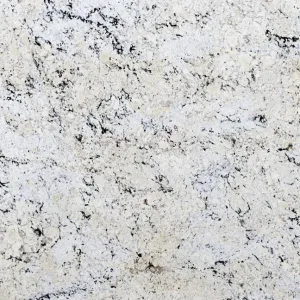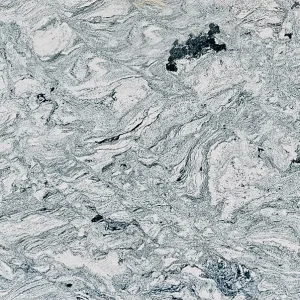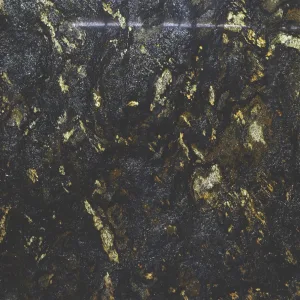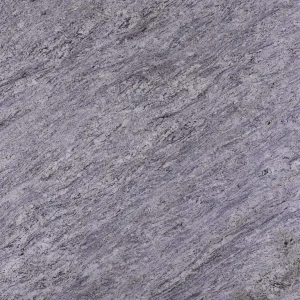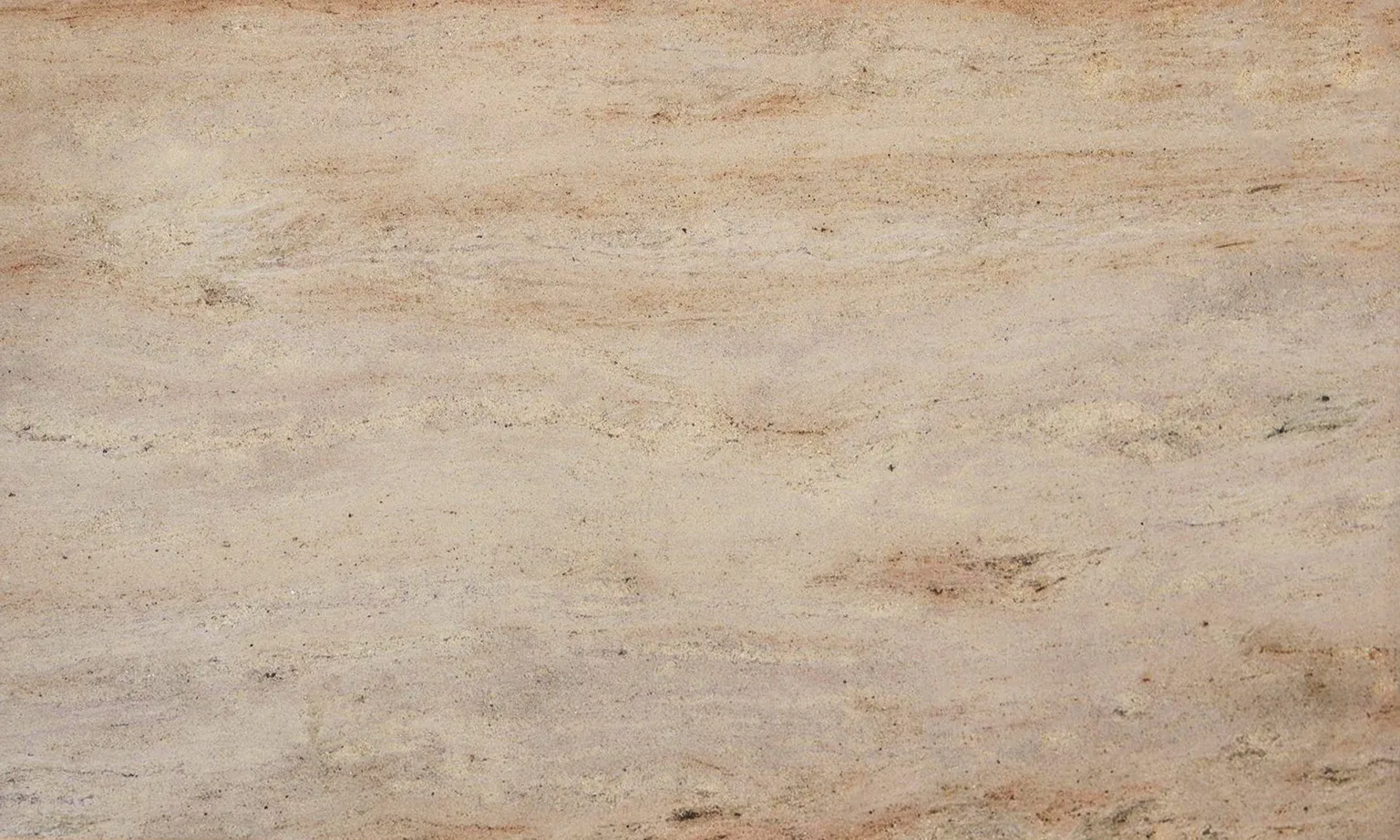
Astoria Granite is a durable natural stone quarried in Southern India. It is renowned for its warm, deep cream or beige background that features dynamic, flowing veins in shades of chocolate brown, cinnamon, and grey. The pattern often resembles sand blowing across a beach, offering a soothing yet sophisticated aesthetic.
Characteristics
-
Color Palette: The primary color is a rich creamy ivory or beige. It is accented by darker mineral deposits and veins in gold, brown, and charcoal grey.
-
Pattern & Movement: The stone exhibits medium variation with a horizontal, flowing movement. It does not have a uniform speckle; rather, it features distinct streaks and waves that create a sense of motion.
-
Texture (Leathered): If the finish is indeed leathered as the filename implies, the stone will have a soft, velvet-like tactile feel rather than a mirror-like reflection.
-
Variability: As a natural product, no two slabs are identical. The intensity of the gold or grey veining can vary significantly between bundles.
Features
-
Durability: Astoria granite is extremely hard (6-7 on the Mohs scale) and resistant to scratching and chipping.
-
Heat Resistance: It can withstand high temperatures, making it safe for use near cooktops.
-
Weather Resistance: The stone is frost-resistant and durable enough to withstand freezing climates, allowing for exterior use.
-
Porosity: Like most granites, it is porous and should be sealed (typically once a year) to prevent staining from oils or colored liquids.
Usage
-
Kitchens: Ideally used for countertops and islands. Its warm cream tones pair exceptionally well with both dark (espresso/cherry) and light (white/antique) wood cabinetry.
-
Bathrooms: Popular for vanity tops and shower surrounds due to its calming color palette.
-
Flooring & Walls: Used for high-traffic flooring and feature wall cladding.
-
Outdoor Spaces: Its resistance to weathering makes it suitable for outdoor kitchens, barbecue areas, and patio paving.